
Understanding GPR Utility Surveys PAS128 Surrey
In today’s construction landscape, ensuring the accurate location and mapping of underground utilities is paramount. The use of Ground Penetrating Radar (GPR) technology is increasingly prevalent, particularly under the guidance of standards such as PAS128. This comprehensive article will delve into the intricacies of GPR utility surveys in Surrey, discussing their significance, methodologies, and the future direction of this essential service. For more in-depth insights into the subject, you can explore GPR Utility Surveys PAS128 Surrey.
What is a GPR Utility Survey?
A Ground Penetrating Radar (GPR) utility survey is a geophysical exploration method that employs radar pulses to unveil subsurface structures and features. It operates by sending electromagnetic waves into the ground, which reflect back when they encounter different materials. This technology is particularly useful for identifying buried utilities such as water pipes, gas lines, telecommunications cables, and more. These surveys are typically non-invasive, making them ideal for urban environments where excavation risks can lead to disruptions and safety hazards.
Importance of PAS128 Standards
PAS128, or Publicly Available Specification 128, is a recognised framework developed by the British Standards Institution (BSI) that outlines best practices for underground utility surveys. This standard ensures that utility mapping is conducted with precision and reliability, significantly reducing the potential for accidental utility strikes during excavation works. Compliance with PAS128 standards benefits all stakeholders, including contractors, developers, and utility companies, by providing clear, comprehensive records of underground utilities.
Key Benefits of GPR Utility Surveys
- Enhanced Safety: By accurately mapping underground utilities, these surveys help prevent dangerous accidents and costly disruptions.
- Cost Efficiency: Identifying the location of utilities before commencing excavation can save significant time and money by avoiding unexpected delays.
- Data Quality: GPR surveys yield high-resolution data allowing for precise planning and effective resource management.
- Non-destructive Testing: Unlike traditional methods, GPR is non-invasive, preserving the integrity of the site during investigation.
Processes Involved in GPR Utility Surveys
Initial Desktop Studies and Record Reviews
The first step in any GPR utility survey involves thorough research and analysis of existing data. This includes reviewing historical maps, utility plans, and as-built drawings available from local authorities or utility companies. These preliminary studies help pinpoint potential areas of concern and inform the survey design.
Site Reconnaissance Techniques
Once initial studies are complete, surveyors will conduct a site visit to assess visible utility features. This reconnaissance allows them to identify surface indications of underground utilities, such as manholes and valve covers. Understanding the landscape aids in anticipating the presence and routing of utilities beneath the surface.
Geophysical Survey Methods
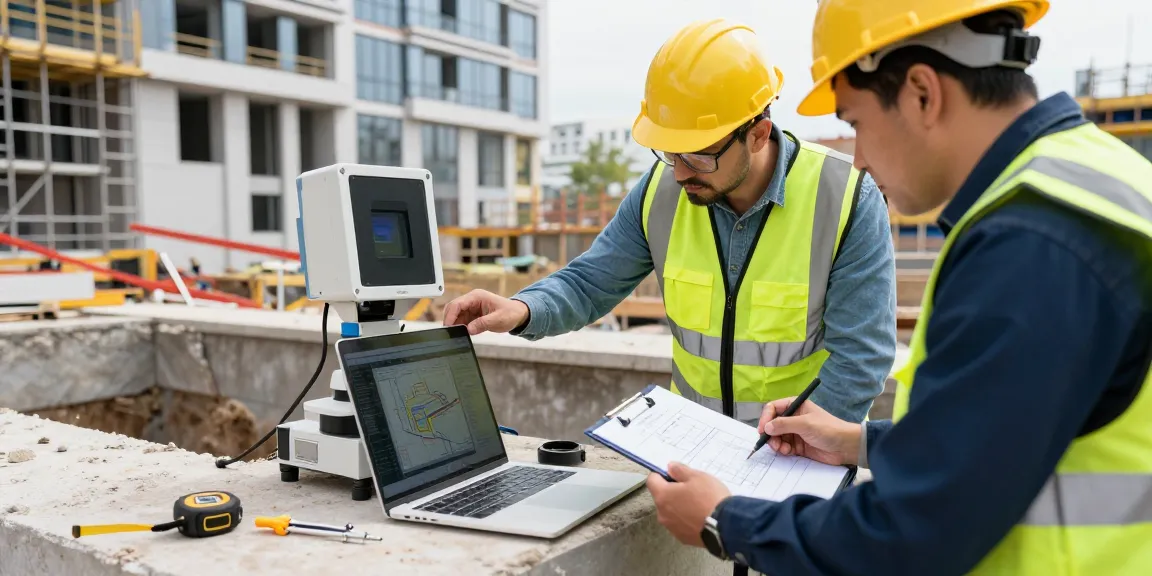
The core of the GPR utility survey involves the technical deployment of the ground-penetrating radar system. Surveyors will systematically cover the site using handheld or vehicle-mounted GPR equipment, capturing radar reflections from subsurface features. The resulting data will then be processed to create detailed maps showing the utility layout beneath the ground.
Applications of GPR Utility Surveys in Construction
Identifying Buried Utility Lines
One of the primary applications of GPR utility surveys is the identification of buried utility lines. This capability is invaluable in urban planning and development, allowing for informed decision-making regarding construction positioning and methodology.
Preventing Excavation Risks
Before any excavation, knowledge of the location and condition of underground utilities is crucial. GPR surveys provide this information, significantly reducing the risk of strikes that could result in injury, project delays, and hefty fines.
Supporting Project Planning and Development
By integrating GPR survey data into project plans, developers can optimise their strategies for laying foundations or conducting other essential site works. This foresight aids in logistical planning, ensuring projects stay on track and within budget.
Common Challenges in Utility Surveying
Limitations of GPR Technology
While GPR is a powerful tool, it’s not without limitations. Certain materials, such as highly reinforced concrete or saturated soils, can impede radar waves, leading to incomplete data or misinterpretations of subsurface conditions.
Interpreting Survey Results Accurately
The effectiveness of GPR utility surveys heavily relies on accurately interpreting the collected data. Skilled professionals are needed to analyse radar reflections and define what they signify, as misinterpretations can lead to errors in utility mapping.
Site-Specific Factors Affecting Outcomes
Various environmental conditions can influence the efficiency of GPR surveys. For instance, surface obstacles, topography, and even weather conditions can affect signal clarity and survey outcomes. Addressing these factors during planning is essential for successful surveys.
Future Trends in GPR Utility Surveys PAS128 Surrey
Innovations in GPR Technology
The GPR field is continuously advancing, with new technologies enhancing the capability and accuracy of surveys. Innovations such as improved radar frequency options and advanced data processing software are changing the landscape of underground utility mapping.
Regulatory Changes and Implications
With growing legislative attention on construction safety and environmental protection, staying abreast of regulatory changes is vital for professionals in the utility surveying sector. Compliance with updated PAS128 standards will be crucial to maintain industry credibility.
Emerging Industry Practices for 2026
As we approach 2026, there is an increasing emphasis on integrating GPR technology with other surveying methods, such as 3D modelling and Geographic Information Systems (GIS). These integrated approaches promise to enhance analytical capabilities and provide more comprehensive datasets.
What does PAS128 stand for?
PAS128 stands for Publicly Available Specification 128, a specification developed by the BSI for the detection, verification, and location of underground utilities.
How is GPR data analysed?
GPR data is analysed by interpreting radar reflections received from the subsurface. Skilled professionals use complex algorithms and software to transform raw data into usable information, detailing the location and type of detected utilities.
What are the costs associated with GPR surveys?
The costs for GPR surveys can vary significantly based on factors such as site location, size, and complexity of the project. Comprehensive quotes should always be requested from service providers to truly understand financial commitments.
What industries benefit from utility surveys?
Utility surveys are crucial for multiple sectors, including construction, civil engineering, urban planning, and public services, ensuring safety and compliance standards are met efficiently.
How does GPR improve project outcomes?
GPR improves project outcomes by providing accurate and reliable data about underground utilities, thus facilitating informed decision-making and comprehensive project planning.