
Understanding Structural Glazing Solutions
Structural glazing solutions have revolutionized the way we think about home design and architecture. At their core, these solutions involve the integration of glass elements into the structural frameworks of buildings, providing both aesthetic and functional advantages. Homeowners are increasingly turning to these innovative methods to enhance their living spaces, allowing for expansive views, natural light, and unique design features. When exploring options, structural glazing solutions provide comprehensive insights into how glass can be effectively utilized in residential spaces.
What are Structural Glazing Solutions?
Structural glazing solutions refer to the use of glass as a primary structural element in a building's construction. Instead of traditional materials like brick or concrete, these solutions utilize specially engineered glass panels that can support loads typically borne by structural components. This technology not only enhances durability but also allows for a sleek, modern aesthetic that is increasingly sought after in contemporary architecture.
Key Features and Benefits of Glass Flooring
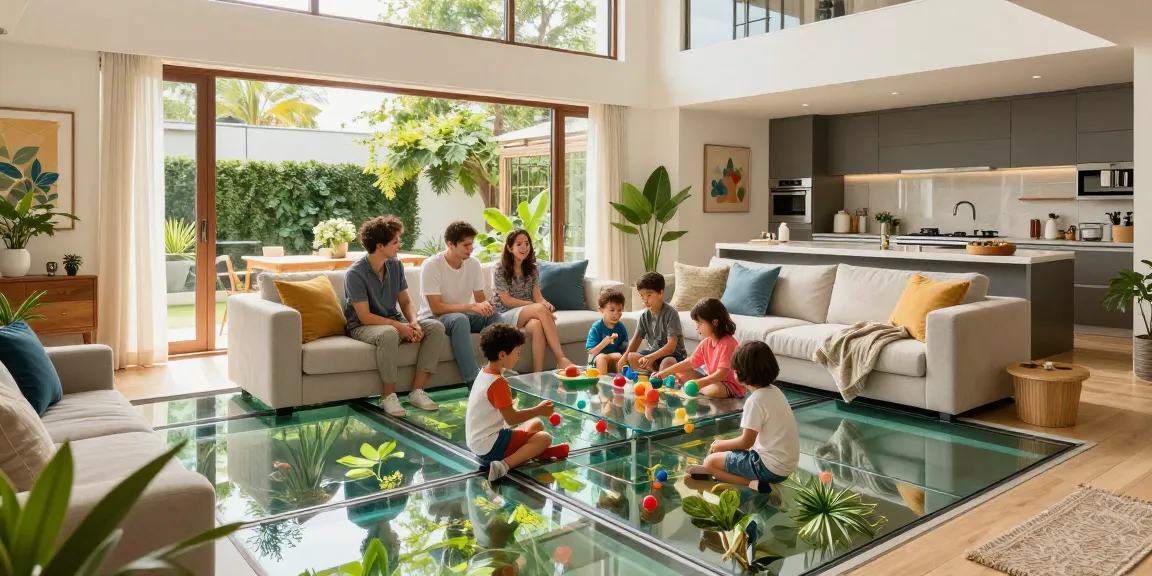
Glass flooring is a specific application of structural glazing solutions that involves using sheets of glass as the floor itself or as part of a flooring system. Some key features and benefits include:
- Transparency: Glass flooring allows for visible connections between levels of a home, creating an open and airy feel.
- Light Transmission: These floors admit natural light, which can brighten otherwise dark spaces and reduce reliance on artificial lighting.
- Aesthetic Versatility: Glass can be designed in various ways, including frosted, tinted, or clear, allowing homeowners to customize their interiors.
Applications in Residential Spaces
Structural glazing can be effectively applied in various areas of residential design. Common applications include:
- Lofts and Open Spaces: Using glass flooring in lofts can contribute to a visually striking open-plan design.
- Staircases: Glass staircase treads offer a modern touch while providing safety and support.
- Basements: Incorporating glass floors in basement areas can enhance light flow and create a unique living experience.
Advantages of Using Structural Glazing in Homes
Natural Light and Aesthetic Appeal
One of the most compelling advantages of structural glazing solutions is their ability to enhance natural light within residential spaces. By strategically placing glass elements, homeowners can create bright, welcoming environments that positively impact mood and well-being. Additionally, the aesthetic appeal of glass can elevate the architectural language of a home, providing a modern and luxurious feel.
Durability and Maintenance Considerations
Contrary to common misconceptions, modern glass flooring is designed for durability. Advances in glass technology have produced materials that are resistant to scratches, stains, and impact, making them suitable for high-traffic areas. Maintenance is generally straightforward; routine cleaning with a mild soap and water solution suffices to keep surfaces looking pristine, allowing homeowners to enjoy their investment without the burden of intensive upkeep.
Energy Efficiency and Sustainability
Structural glazing solutions also offer benefits in terms of energy efficiency. Innovations such as low-emissivity (Low-E) coatings can improve insulation properties, leading to lower heating and cooling costs. Furthermore, the use of natural light reduces reliance on artificial lighting, contributing to a more sustainable lifestyle. Homeowners looking to balance design and environmental responsibility will find these solutions appealing.
Common Challenges with Structural Glazing Solutions
Installation Obstacles and Best Practices
While the advantages of structural glazing are numerous, there are challenges associated with installation. Ensuring proper support and alignment during the installation process is crucial, as improperly installed glass can lead to safety risks. Hiring experienced professionals who specialize in structural glazing is essential to mitigate these risks and ensure a successful outcome.
Cost Implications and Budgeting Strategies
The cost of implementing structural glazing solutions can vary significantly based on design, materials, and installation complexity. Homeowners should be prepared for higher upfront costs compared to traditional materials. However, by considering the long-term energy savings and aesthetic value, the investment can be justified. It is advisable to develop a clear budget and consult with experts to explore budgeting strategies that align with specific project goals.
Addressing Safety Concerns with Glass Flooring
Safety is a paramount concern when installing glass flooring. Modern glass products used in structural glazing are typically laminated to prevent shattering and are treated to be slip-resistant. Homeowners should inquire about safety certifications and consider incorporating additional safety features, such as railings or strategically placed mats, to enhance security in high-traffic areas.
Case Studies: Success Stories of Structural Glazing
Innovative Residential Projects Featuring Glass Flooring
Several residential projects have successfully integrated structural glazing solutions. A notable example is a contemporary home in the UK that features a glass floor over a lush garden. This design not only provides a stunning view but also creates a seamless transition between indoor and outdoor spaces. Such innovative applications serve as inspiration for homeowners considering this modern solution.
Homeowner Experiences and Feedback
Homeowners who have adopted structural glazing solutions often express satisfaction with the outcomes. Many report improvements in their home's aesthetics and an enhanced sense of space. Feedback frequently highlights the combination of modern style and the practicality of increased daylight within their homes.
Lessons Learned from Structural Glazing Implementations
Learning from past implementations is critical for future projects. Homeowners are advised to conduct thorough research and engage with professionals who have experience in glass installation. Additionally, considering the specific characteristics of each space, such as foot traffic patterns and sunlight exposure, can guide successful outcomes.
Future Trends in Structural Glazing Solutions
Technological Advances and Innovations for 2026
Looking ahead, technological advancements are set to drive the evolution of structural glazing solutions. By 2026, we can expect more environmentally friendly materials, enhanced thermal performance, and advanced smart glass technology that adjusts transparency based on sunlight and temperature fluctuations. These innovations will not only improve aesthetics but will also contribute to sustainable building practices.
Emerging Design Trends in Residential Architecture
In residential architecture, emerging design trends emphasize fluidity and connection to nature. Structural glazing solutions will play a vital role in creating spaces that blur the lines between indoor and outdoor environments. Expect to see increased use of glass walls, expansive skylights, and integrated garden features that harness natural landscapes.
Predictions for Structural Glazing in Home Renovations
As homeowners look to remodel their living spaces, structural glazing will become a focal point in renovations. The growing emphasis on sustainability and energy efficiency will influence decisions regarding glass installations, as homeowners increasingly prioritize materials that enhance both style and functionality. Renovation trends suggest a move towards open-concept designs that highlight glass as a central element, reinforcing its role in modern home aesthetics.
What are the main benefits of structural glazing solutions?
Structural glazing solutions offer numerous advantages, including aesthetic enhancement, increased natural light, and improved energy efficiency. These benefits make them a compelling choice for homeowners looking to elevate their living spaces.
How durable is structural glass flooring?
Modern advancements in glass technology make structural glass flooring highly durable, with resistance to scratching and impact. Regular maintenance ensures longevity, making it a viable option for residential use.
Can structural glazing solutions be customized for my home?
Yes, structural glazing solutions can be tailored to meet individual design preferences and architectural requirements. Homeowners can choose from various finishes, thicknesses, and configurations to suit their specific needs.
What safety measures should I consider for glass flooring?
When installing glass flooring, it's crucial to consider safety measures such as using laminated glass, incorporating non-slip surfaces, and consulting with professionals to ensure compliance with safety regulations.
How can structural glazing improve energy efficiency in homes?
Structural glazing improves energy efficiency through the use of low-emissivity glass that reflects heat and minimizes thermal loss. This feature helps regulate indoor temperatures and reduces reliance on heating and cooling systems.