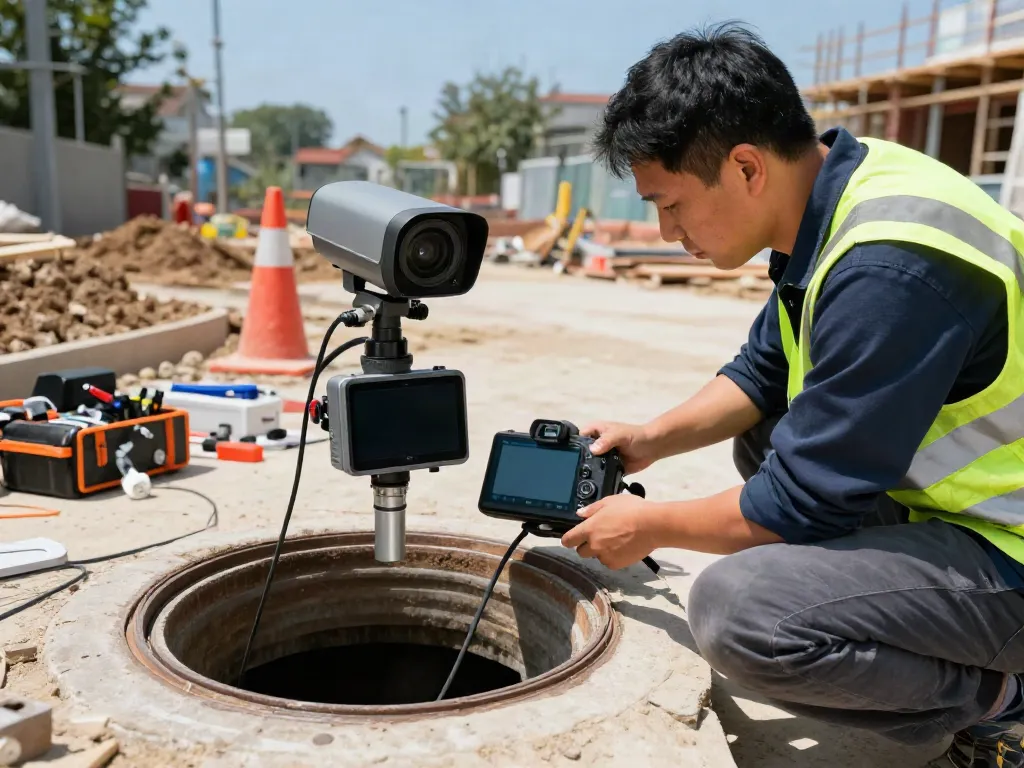
Understanding the Importance of Drainage Survey Surrey
In the evolving landscape of property management and construction, ensuring the integrity of drainage systems remains a top priority for homeowners, architects, and developers alike. A comprehensive drainage survey is essential to identify and rectify issues that can lead to expensive repairs and potentially hazardous situations. By employing advanced technology such as CCTV drainage surveys, stakeholders can gain a detailed insight into the condition of underground drainage systems, helping to safeguard properties and investments. When exploring options, Drainage Survey Surrey provides comprehensive insights into the state of your drainage infrastructure, ensuring long-term solutions and peace of mind.
What is a Drainage Survey and Why is it Essential?
A drainage survey is a systematic inspection of a property's drainage system, conducted primarily to identify potential issues before they escalate into significant problems. This process typically involves the use of CCTV technology, allowing surveyors to visualise and assess the condition of pipes and drains without the need for excavation. This non-invasive approach not only saves time and money but also minimizes disruptions to the property. Regular drainage surveys are essential for identifying blockages, leaks, structural damage, and other issues that can compromise the efficacy of a drainage system.
Common Issues Identified by Drainage Surveys
During a drainage survey, various issues can be identified, ranging from minor blockages to severe structural damage. Common problems include:
- Blockages: Often caused by debris, tree roots, or fat buildups, blockages can lead to severe drainage issues such as sewage backups.
- Cracks and Damage: Pipes may develop cracks or become misaligned due to soil movement, leading to leaks and reduced drainage efficiency.
- Corrosion: Over time, older pipes can corrode, which not only affects water flow but also increases the risk of contamination.
- Invasive Root Growth: Tree roots can penetrate pipes, causing blockages and structural damage, particularly in older drainage systems.
Who Benefits from a Professional Drainage Survey?
Numerous stakeholders benefit from professional drainage surveys, including:
- Homeowners: New and existing homeowners can identify potential drainage issues early, preventing costly repairs and improving property value.
- Property Developers: Developers require accurate data for planning and executing construction projects without complicating existing drainage infrastructures.
- Property Managers: Ongoing maintenance of drainage systems can be streamlined and managed effectively through regular surveys.
- Local Authorities: Municipalities can ensure compliance with local regulations and maintain the safety and functionality of public drainage systems.
The Process of Conducting a CCTV Drainage Survey
Step-by-Step Guide to CCTV Drainage Surveys
A CCTV drainage survey typically involves several key steps to ensure a thorough and accurate assessment of the drainage system:
- Initial Assessment: The survey begins with a preliminary inspection to understand the property layout and existing drainage issues.
- Video Inspection: Using high-resolution CCTV cameras, surveyors explore the drainage system, recording footage for analysis.
- Data Analysis: The captured video is assessed to identify any issues such as blockages or structural damage.
- Reporting: A detailed report is generated, including findings and recommended actions, often supplemented with visual aids like CAD drawings.
Technology and Equipment Used in Drainage Surveys
Modern drainage surveys leverage cutting-edge technology to enhance accuracy and efficiency. Key equipment typically includes:
- CCTV Cameras: High-definition cameras that provide clear visuals of the interior of drains and pipes.
- WinCan Software: Industry-standard software used for analysing video footage and generating comprehensive reports.
- Ground Penetrating Radar (GPR): This technology helps locate underground utilities and barriers, ensuring comprehensive data collection.
Interpreting CCTV Drainage Reports Effectively
Understanding the results of a CCTV drainage survey report is crucial for making informed decisions regarding drainage management. These reports typically include:
- Video Footage: Raw footage that illustrates the condition of the drainage system.
- Written Analysis: A detailed description and interpretation of findings, including the condition of pipes and recommended actions.
- CAD Drawings: Visual representations of the drainage layout, highlighting areas of concern and proposed solutions.
Key Benefits of Regular Drainage Surveys for Property Owners
Can Save Money by Preventing Major Repairs
Regular drainage surveys can lead to significant cost savings by identifying issues before they escalate. Early detection of blockages or structural problems allows for timely repairs, ultimately reducing the likelihood of costly emergencies.
Supports Property Value Maintenance and Appreciation
For homeowners and property investors, maintaining an effective drainage system is integral to preserving property value. By ensuring that the drainage system is in optimal condition, property owners can uphold and potentially enhance the overall value of their investments.
Ensures Compliance with Local Regulations
Regular drainage surveys help ensure that property owners and developers comply with local building regulations and standards. This compliance not only promotes safety but also mitigates the risk of legal issues arising from drainage failures.
Challenges and Solutions in Drainage Surveying
Overcoming Common Misconceptions About Drainage Surveys
One of the prevalent misconceptions surrounding drainage surveys is the belief that they are only necessary when problems arise. In reality, proactive surveys can significantly reduce future risks and expenses. Education and awareness campaigns can help dispel these myths amongst property owners and developers.
Dealing with Complications During Surveys
Surveys can sometimes encounter challenges, such as difficult access points or extreme weather conditions. To mitigate these issues, professional surveyors employ advanced tools and techniques, ensuring that the surveying process remains efficient and comprehensive.
Expert Tips for Successful Drainage Survey Implementation
To ensure a successful drainage survey, consider the following expert tips:
- Choose a Reputable Surveyor: Engage a professional with experience and positive reviews to guarantee quality results.
- Schedule Regular Surveys: Implement a routine survey schedule to maintain the integrity of the drainage system.
- Use Comprehensive Reporting: Ensure that your survey includes detailed reports and visual aids to facilitate better decision-making.
Future Trends in Drainage Surveying Technology
Innovations to Watch in 2026 and Beyond
The landscape of drainage surveying is continually evolving, with innovations promising to enhance efficiency and accuracy. Future trends may include the use of AI for predictive maintenance, drones for aerial surveying, and more sophisticated data analytics tools.
How Smart Technology is Transforming Drainage Surveys
Smart technology integration, such as IoT-enabled sensors, can provide real-time data on drainage system performance, allowing property owners to proactively address issues as they arise. This shift towards smart infrastructure is likely to become more prevalent in the coming years.
Predictions for Regulatory Changes Impacting Drainage Surveys
As environmental concerns grow, regulatory measures related to drainage management are expected to tighten. Stakeholders should stay informed regarding potential changes that could impact compliance requirements and practices in the industry.
How much should a drainage survey cost?
The cost of a drainage survey can vary significantly based on several factors, including the location, the size of the property, and the complexity of the drainage system. On average, homeowners can expect to pay between £150 to £300 for a standard CCTV drainage survey.
Is it worth getting a drain survey?
Absolutely, investing in a drainage survey is worth it, especially for new homeowners or before purchasing a property. It can reveal underlying issues that, if left unaddressed, could lead to much higher repair costs down the line.
What happens during a drainage survey?
During a drainage survey, a CCTV camera is inserted into the drainage system to capture video footage. This footage is then analysed to identify any issues such as blockages, leaks, or structural damage, followed by the creation of a detailed report.
How long does a drainage survey take?
The duration of a drainage survey can vary depending on the size and complexity of the drainage system. Typically, a standard survey may take anywhere from one to three hours, with additional time needed for report preparation.
What technologies are used in drainage surveys?
Modern drainage surveys utilise a range of technologies, including CCTV cameras, sonar and GPR equipment, and analysis software like WinCan for generating comprehensive reports that help in diagnosing issues and planning for repairs.