
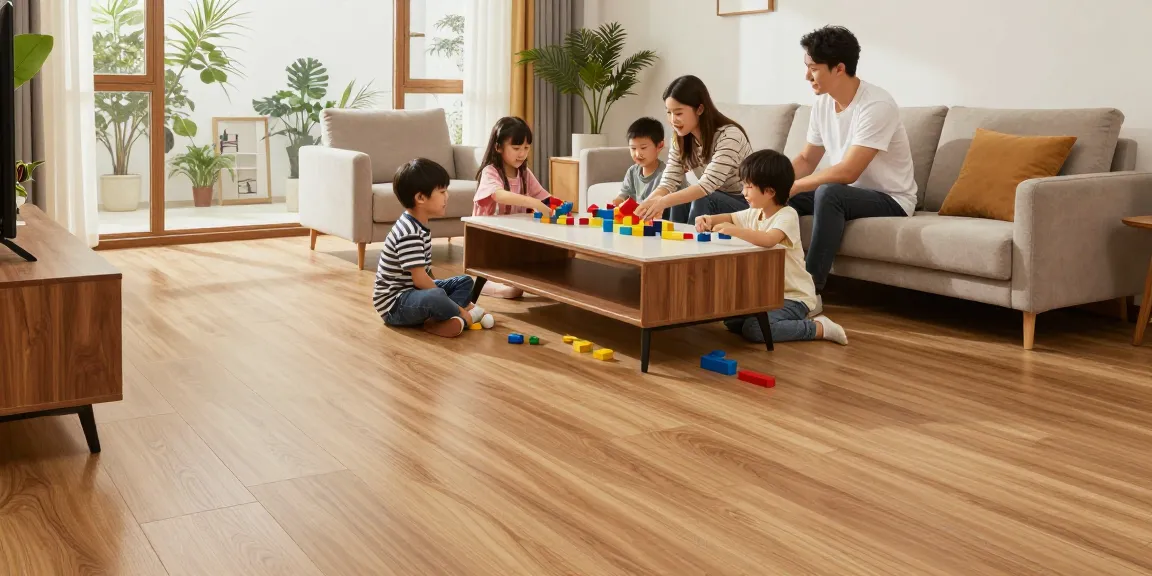
Understanding Laminate and Engineered Wood Flooring
Choosing the right flooring is crucial to creating a welcoming atmosphere in your living space. Among the most popular options are laminate and engineered wood flooring. Each offers unique benefits and drawbacks, which can make selection quite challenging for homeowners in the UK. When exploring options, best floors for living spaces will help you make an informed choice based on your specific needs and preferences.
What Is Laminate Flooring?
Laminate flooring is a synthetic product designed to mimic the appearance of natural wood. Its layered structure consists of a core made from compressed fibreboard, topped with a high-definition printed wood-effect layer and a protective wear layer. This unique composition provides durability, scratch resistance, and ease of maintenance, making laminate a popular choice among homeowners.
What Is Engineered Wood Flooring?
Engineered wood flooring, on the other hand, is a more premium option that consists of a thin layer of real hardwood over multiple layers of plywood or high-density fiberboard. This construction not only gives it the authentic look and feel of solid wood but also ensures enhanced stability and resistance to environmental changes. Unlike solid hardwood, engineered wood floors can be installed in various settings, including those with fluctuating humidity levels.
Key Structural Differences Between the Two
The primary differences between laminate and engineered wood lie in their construction and composition. While laminate is entirely synthetic, engineered wood contains genuine hardwood, making the latter more aesthetically appealing and valuable in the long term. The manufacturing process also varies significantly; laminate is typically less expensive to produce and install, which appeals to budget-conscious buyers.
Considerations for Choosing the Best Floors for Living Spaces
Budget-Friendly Options: Laminate vs Engineered Wood
When it comes to flooring, budget often plays a significant role in the decision-making process. Laminate flooring is generally more affordable than engineered wood, making it an attractive option for those looking to renovate without breaking the bank. Prices can vary significantly based on quality, brand, and design. On the other hand, engineered wood flooring tends to be more of an investment but pays off with its durability and authenticity.
Maintenance Requirements for Longevity
Understanding maintenance needs is critical for ensuring the longevity of your flooring. Laminate floors are known for their low maintenance requirements. Simply sweeping and occasional mopping can keep them in good shape. Engineered wood, while still relatively easy to maintain, requires a bit more care, including regular polishing and proper sealing to protect against moisture. Knowing these requirements can greatly influence your choice of flooring.
Aesthetic Appeal and Design Preferences
Aesthetics play a pivotal role in your flooring decision. Laminate flooring has come a long way in recent years, with manufacturers producing designs that closely resemble natural wood. However, for those who are looking for authentic beauty, engineered wood offers a more appealing finish with its rich textures and grains. Personal taste, as well as the existing style of the home, should be taken into account when making your selection.
The Performance of Laminate and Engineered Wood in Different Environments
Laminate in High Traffic Areas
Laminate flooring is particularly well-suited for high-traffic areas due to its scratch-resistant surface and durability. It can withstand everyday wear and tear from pets, children, and constant foot traffic, making it a practical choice for busy households. In contrast, while engineered wood can also cope with foot traffic, it may show signs of wear more quickly, especially in areas that receive heavy use.
Engineered Wood in Humid Spaces: Pros and Cons
Engineered wood is often touted as suitable for more humid spaces, such as basements and kitchens, because it is less likely to warp than solid wood. However, it is essential to ensure that the floor is properly sealed and maintained. If exposed to excessive moisture over time, engineered wood can still be susceptible to damage. Homeowners should weigh these pros and cons when considering engineered wood for such environments.
Kitchen and Bathroom Considerations
Choosing the right flooring for kitchens and bathrooms is essential due to the unique challenges these spaces present. Laminate is typically more water-resistant, making it a safer choice for kitchens where spills are common. Engineered wood can also be used in these areas, but it requires diligent maintenance and protective measures to guard against moisture—such as using mats or cleaning spills immediately.
Brands to Consider: Quick-Step and Beyond
Quick-Step Laminate Overview and Features
Quick-Step is a well-known brand in the laminate flooring market, famed for its innovative designs and technology. Their products feature an easy-click installation system, making it ideal for DIY enthusiasts. Quick-Step laminate is also recognized for its durability and scratch resistance, ensuring that it remains a practical choice for families seeking budget-friendly flooring solutions without sacrificing quality.
Exploring Other Laminate Brands
Beyond Quick-Step, numerous other brands offer quality laminate flooring, including Pergo, BerryAlloc, and Armstrong. Each brand presents unique features, styles, and price points, providing homeowners with a diverse range of options to suit their preferences. Conducting thorough research and comparing different brands can empower consumers to find the flooring that best meets their individual needs.
Comparative Analysis with Other Engineered Wood Brands
In the realm of engineered wood, brands like Kährs, Mullican, and Anderson Tuftex stand out for their commitment to quality and design. These brands offer a variety of woods, finishes, and textures, allowing homeowners to find products that reflect their personal style and the overall aesthetic of their living spaces. A comparative analysis of these brands can provide valuable insights into the best options available on the market.
The Future of Flooring: Trends for 2026 and Beyond
Innovative Flooring Technologies
The flooring industry is continually evolving, with innovative technologies making waves. Smart flooring options that integrate sensors for monitoring foot traffic and environmental conditions are emerging, enhancing the overall experience and safety of flooring in residential and commercial spaces. As technology advances, consumers can look forward to more functional and interactive flooring solutions.
Sustainability and Eco-Friendly Choices
As environmental awareness rises, sustainable flooring options are becoming more prominent. Brands are increasingly prioritizing eco-friendly materials and manufacturing processes, offering products that are both stylish and environmentally responsible. Homeowners seeking sustainability will find that many laminate and engineered wood options now incorporate recycled materials and responsible forestry practices.
Design Trends Shaping Living Spaces
Future design trends indicate a shift towards natural aesthetics, with flooring options that mirror the elegance and warmth of nature. Emphasis on texture, colors inspired by nature, and patterns that promote a serene atmosphere are increasingly in demand. The incorporation of biophilic design into living spaces is also leading to the adoption of flooring solutions that enhance the overall well-being of inhabitants.
What are the advantages of laminate flooring?
Laminate flooring is known for being cost-effective, easy to maintain, and highly durable. Its resistance to scratches, stains, and fading makes it an excellent choice for busy households.
Can engineered wood be used in kitchens?
Yes, engineered wood can be used in kitchens, but it needs to be properly sealed and maintained. Precautions should be taken to protect it from excessive moisture.
How do I maintain my laminate floors?
Maintaining laminate floors involves regular sweeping or vacuuming followed by occasional damp mopping. Avoid excessive water and harsh chemicals to prolong their lifespan.
What is the lifespan of engineered wood flooring?
Engineered wood flooring typically has a lifespan of 20 to 30 years, depending on factors like quality, installation, and maintenance.
Which flooring is better for high humidity areas?
Laminate flooring often performs better in high humidity areas due to its moisture-resistant properties, whereas engineered wood requires careful sealing and maintenance to avoid damage.